







Search Results for: cold wave impact
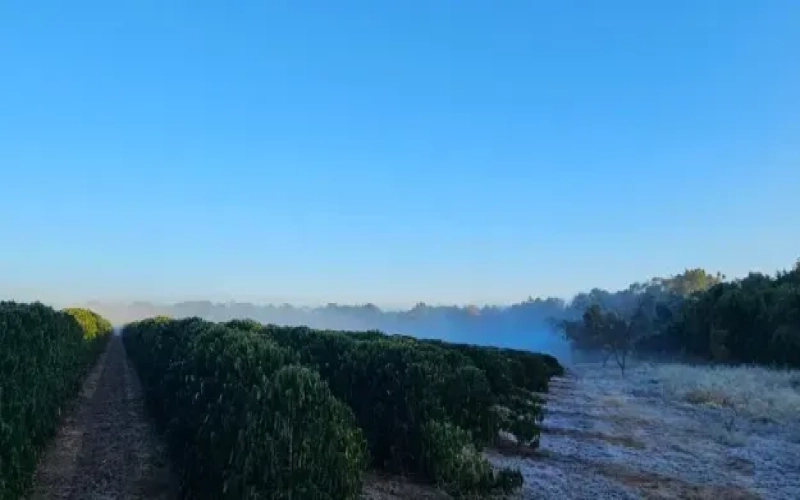
A cold wave and frost in south-central Brazil set record low temperatures, threatening coffee-growing regions and causing a sharp rise in futures prices.
Since last week, a strong cold wave has continued to sweep through south-central Brazil, with temperatures plunging below zero in many places, and the mountainous region of southern Minas Gerais even setting a new record for Brazil's lowest temperature. Snow and freezing rain have successively appeared in Santa Catarina and Rio Grande do Sul, and the Port of Santos was forced to suspend cargo operations due to severe sea conditions. Brazil's coffee harvest for the new season is now nearing its end, but the market is broadly concerned that frost will impact this year's crop and the growth of coffee in the 2025/26 season, especially in the mountainous region of Minas Gerais, which is dominated by Arabica cultivation. Affected by this, Arabica and Robusta coffee futures prices have soared sharply in recent days. Front Street Coffee will also continue to monitor weather developments in the producing regions and bring coffee lovers the latest analysis. [more…]
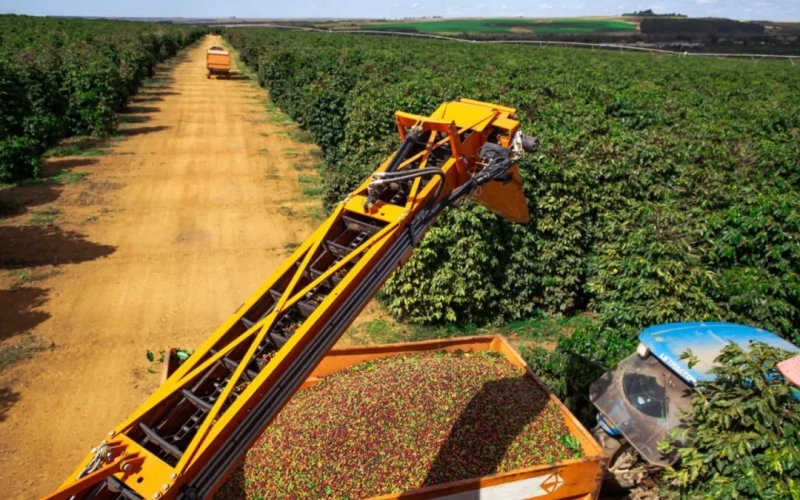
Brazil's coffee harvest falls short of expectations, and Robusta futures prices may rise further.
Recently, Brazil's coffee-growing regions have continued to be affected by El Niño weather patterns. Although dry conditions have accelerated the harvest pace—by June 25, half of the coffee crop had been harvested, ahead of the five-year average for the same period—actual output has fallen short of market expectations, with issues such as smaller beans and uneven ripening gradually emerging. At the same time, Robusta production may drop by 8% to 14%, and combined with tighter supply caused by drought in Vietnam, international Robusta futures prices have firmly held above $4,000 per ton, while the spot index has also risen by more than 4% month-on-month. An impending strong cold wave adds further uncertainty to the production outlook, and several institutions have downgraded their forecast for Brazil's total output from 68.5 million bags to 67 million bags. [more…]

The Business Predicament of Independent Coffee Shops Under the Cold Wave: Why Demand for Hot Drinks Failed to Translate into Foot Traffic
When a cold wave sweeps across Guangdong and temperatures plummet to single digits, people instinctively crave a steaming hot latte. Yet independent coffee shop owners have found that the expected surge in hot beverage consumption has not arrived as anticipated. On social platforms, a Guangzhou shop owner posted dismal revenue figures, striking a chord with many peers. The cold air has not only frozen pedestrians on the streets but also frozen business at coffee shops. Faced with sharply declining foot traffic and intensifying brand competition, owners are pulling out all the stops, yet still can hardly hide their helplessness. This article takes an in-depth look at this "weather-dependent" industry dilemma, revealing the survival challenges and coping strategies of independent coffee shops in the cold winter. [more…]
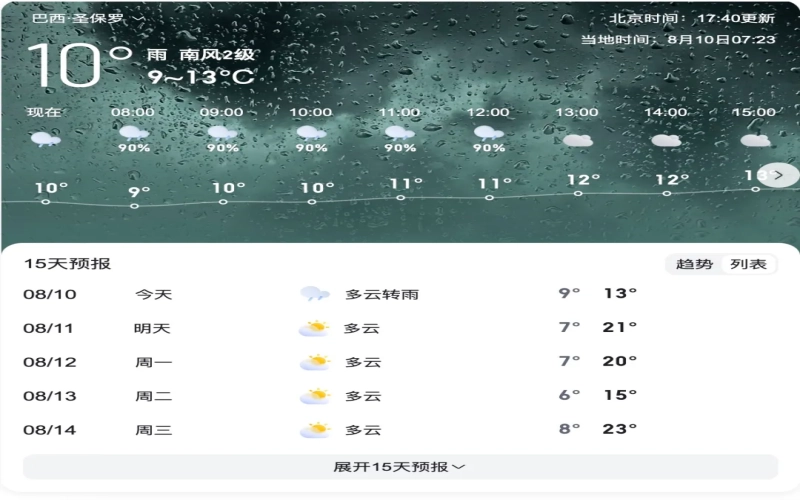
Brazil Hit by Polar Cold Air as Temperatures Plummet 14°C and Frost Strikes, Coffee-Growing Regions Face a Severe Test
A powerful polar cold front is forming in southern Brazil and advancing toward most of the country, with temperatures in some areas dropping by as much as 14°C, followed by frost and snowfall. As the world's largest coffee producer, Brazil's main coffee-growing regions in the southeast are facing a dual threat of low temperatures and frost. Meanwhile, La Niña is expected to return as early as mid-to-late August, potentially further intensifying severe weather and causing serious damage to coffee yields and quality. Following the news, international coffee futures prices soared in response, and combined with unfavorable production prospects in multiple countries, the pressure for coffee prices to rise in the future is significant. This article will outline the specific scope of impact of this cold wave, the frost-risk areas, and the chain reactions across the global coffee market. [more…]

Why Is 1-Liter Iced Americano Going Viral? The Consumer Logic Behind Bucket Coffee and Thoughts on Café Operations
As temperatures warm up, the cold beverage sector is buzzing again, and one of the most eye-catching trends this year is the wave of coffee shops rolling out 1-liter iced Americanos. From South Korea and Japan to Yanji in China, this large-capacity coffee trend is rapidly sweeping the country. Why has it so quickly captured the hearts of office workers? Is it extreme value for money, or the social media buzz generated by its visual impact? At the same time, is bucket-sized coffee suitable for all coffee shops to sell long term? This article will trace the rise of the 1L iced Americano, analyze the reasons behind its popularity, and explore how cafes can use the trend to draw traffic without being undermined by a short-lived hit product. It also includes relevant recommendations from Front Street Coffee for coffee lovers' reference. [more…]

Brazil's early winter brings cold snaps and frost threats, potentially affecting yields of coffee and other crops
Although Brazil is located in the Southern Hemisphere tropics and normally only enters winter from June to September, affected by El Niño, this year's winter seems to have arrived early. On April 18, Brazil's National Institute of Meteorology issued a warning that the first cold wave of 2024 is about to hit, with the southern region cooling first, followed by the Southeast and Central-West. Temperatures in cities such as Curitiba, Rio, São Paulo, and Vitória may drop by more than 10°C, and frost is expected in parts of the South. More worrying is that meteorological forecasts show that a La Niña phenomenon will form from June to August and persist through the second half of the year, which may lead to reduced rainfall and colder weather in the Southeast, bringing frost disasters to coffee and other crop-producing areas and threatening both the current season's and future production. Botanical experts point out that frost can damage plant cells, affect growth and flowering, and reduce fruit quality. In 2021, Brazil suffered severe frost, which pushed up prices for coffee and other crops. Now farmers need to take precautions in advance. [more…]
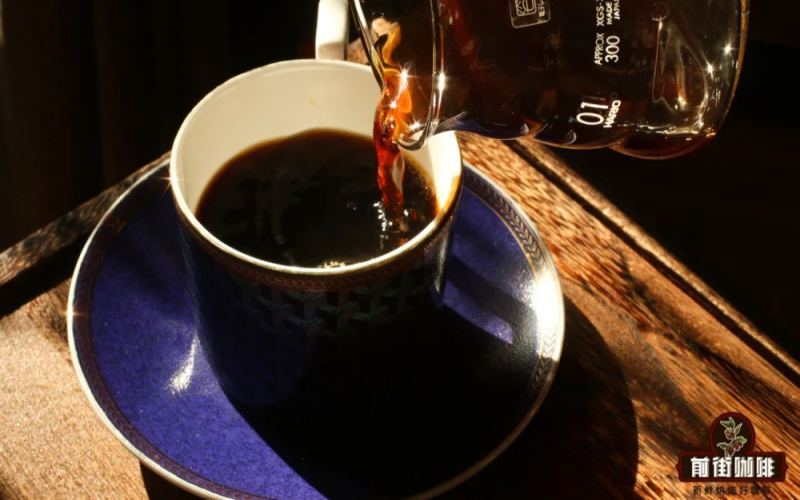
Why should coffee be enjoyed while hot? Can pour-over coffee be reheated? Which is better for black coffee: hot or iced?
The temperature of coffee has a tremendous impact on the taste experience—the same cup of coffee presents completely different layers of flavor at different temperatures. From the aroma of hot coffee to the complexity of warm coffee, and then to the technical performance of cold coffee, each stage has its own unique tasting value. This article will provide a detailed explanation of the optimal drinking temperature for coffee, the temperature ranges for milk coffee and pour-over coffee, whether cold coffee can be reheated, and how coffee flavors change at different temperatures. At the same time, drawing on Front Street Coffee's tasting experience, the article also offers practical drinking suggestions for coffee lovers, helping everyone enjoy the most complete flavor expression of a cup of coffee within the appropriate temperature window. [more…]
How Do Espresso Beans Differ from Single-Origin Beans? A Comprehensive Analysis from Blending Principles to SOE
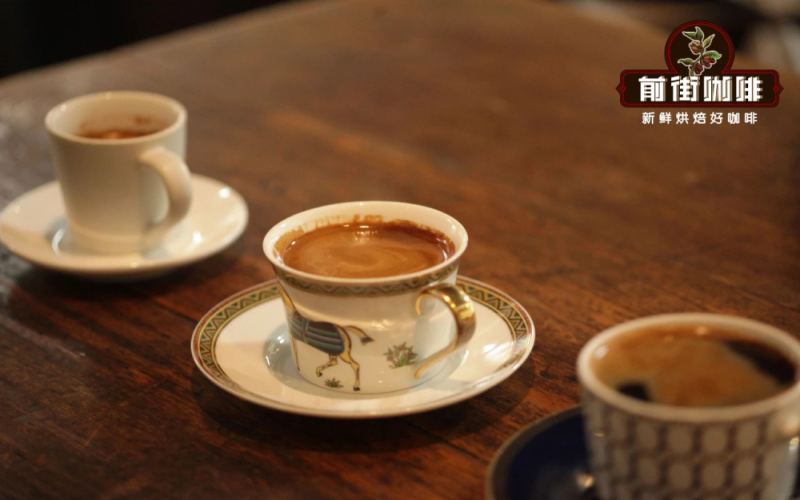
Friends who often drink lattes and cappuccinos may never have thought that the coffee beans used in these drinks and the single-origin beans for pour-over actually follow two different paths. Espresso beans usually refer to the beans used to make Espresso, most of which are blends of coffee from multiple origins in specific proportions, though there are also SOEs made from single-origin beans. Single-origin coffee beans emphasize traceability to a single origin or variety, and are suitable for pour-over, cold drip, and similar methods. The two differ in bean selection, roast level, and flavor expression, and understanding their differences will help you make a more suitable choice based on your own taste and equipment. Starting from Front Street Coffee's actual products, the following article breaks down layer by layer the logic of espresso blending, the characteristics of SOE, and the impact of freshness on flavor. [more…]
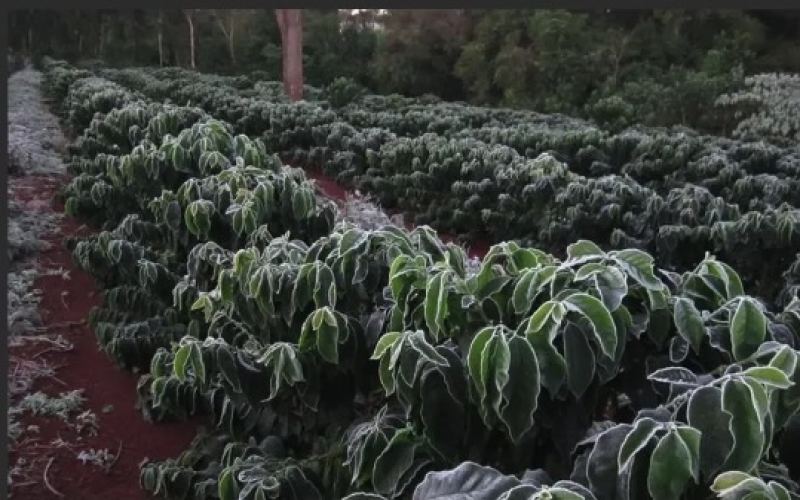
Cold current is coming!? Brazil is about to be hit by a frost.
It is understood that although Brazil is in the southern hemisphere and is located in the tropics, according to normal circumstances, Brazil has four seasons a year, and from June to September every year, winter will come. However, this year, due to [more…]

Is specialty coffee limited to light and medium roasts? The positioning and flavor analysis of dark roasts in the third wave
In the third wave of specialty coffee, light-to-medium roasts have almost become synonymous with the expression of "terroir," to the point that many enthusiasts frown the moment they see dark-roasted beans, even equating them with "Chinese herbal medicine taste" or "low-quality beans." But is dark roasting really incompatible with specialty coffee? What is the reason for its existence? From the SCA system to the bittersweet aesthetics of old Japanese-style kissaten, from differences in extraction methods to niacin and NMP on the health level, this article will dissect the rationality of dark roasting from a professional perspective and explain why a good-tasting dark-roasted coffee is often harder to find than a light roast. Front Street Coffee will also share the key principles of dark-roast brewing, guiding you to rediscover this underrated roasting style. [more…]
Common Home Brewing Methods: A Complete Equipment Guide from Espresso to Cold Drip
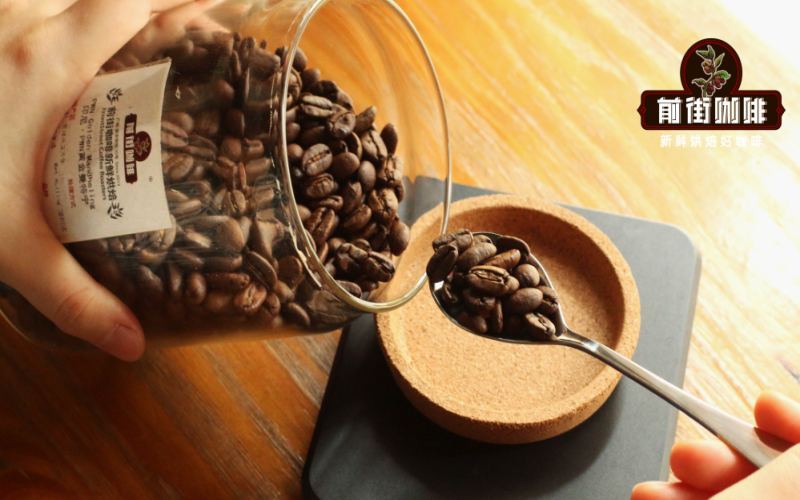
Making a good cup of coffee at home actually isn't that difficult. Front Street Coffee has recently welcomed many new customers who are no longer satisfied with just drinking coffee—they want to understand different extraction methods as well. This article systematically sorts through several of the most commonly used home brewing methods, including espresso, pour-over single-origin, drip bags, siphon, moka pot, cold drip, AeroPress, as well as a comparison of the French press and the Clever Cup, along with equipment lists, key operating points, and flavor characteristics, to help coffee lovers choose the method that suits their needs. [more…]

Specialty Coffee | Why Are Light and Medium Roast Coffee Beans So Popular? Is Dark Roast Coffee Good? What's the Difference Between Dark Roast and Medium Roast Coffee?
Mainstream Third Wave Specialty Coffee Nowadays, cafes often emphasize that they serve "specialty coffee." What exactly is "specialty coffee"? Why is it that among the home-roasting businesses blooming like wildflowers, over ninety percent choose the so-called light-to-medium roast to interpret the flavors of green coffee beans? Just pay a little attention to coffee-related articles. [more…]
Blue Bottle Coffee launches instant freeze-dried products: how to balance specialty positioning with convenience needs
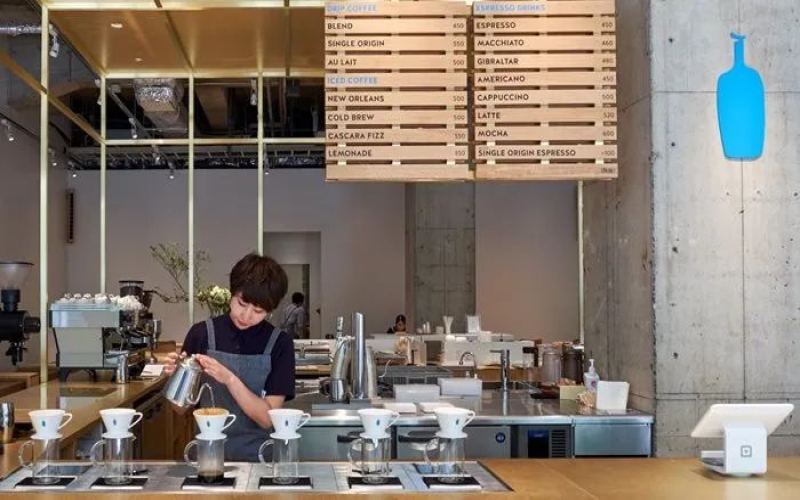
Blue Bottle Coffee, which has established itself in the specialty coffee wave with fresh roasting and professional service, recently announced the launch of an espresso instant freeze-dried coffee, priced at $25 for 48 grams. This move has drawn attention: when the pandemic blocked in-store consumption and demand for coffee at home rose, Blue Bottle chose to respond to the demand for convenience with an instant product. CEO Karl Strovink said the company will vigorously develop its instant coffee line and plans to add instant coffee drinks to its store menus within one to two years. Blue Bottle is currently controlled by Nestlé and has more than 100 stores in the United States and Asia. This article examines the market logic and executive statements behind Blue Bottle's new instant coffee product. [more…]
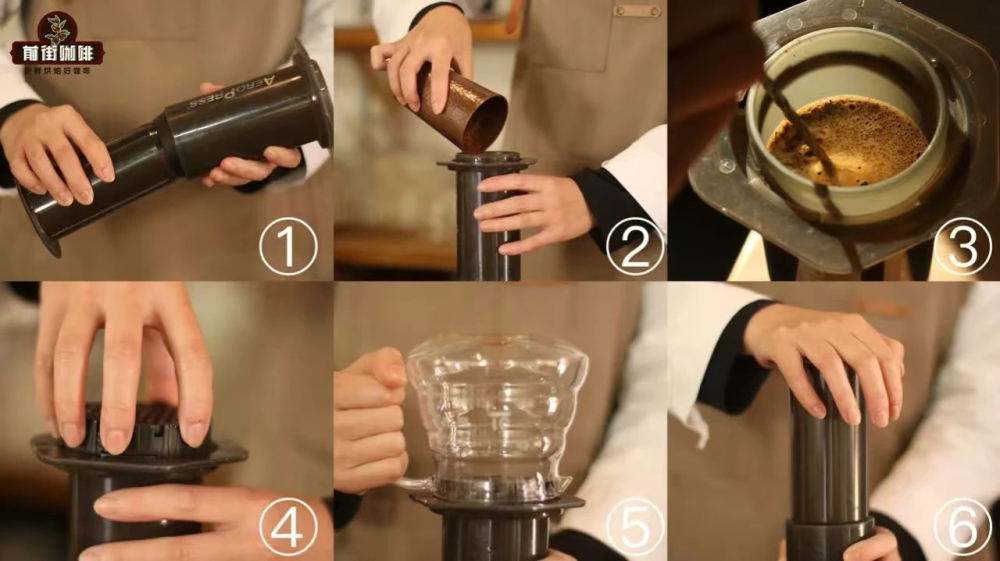
Illustrated Guide to Brewing Freshly Ground Coffee | How to Brew Freshly Roasted Coffee Beans? Flavor and Taste Comparison of Espresso, Pour-Over, Moka Pot, Siphon, French Press, Ice Drip, and Cold Brew Coffee
Front Street Coffee has recently welcomed many new faces to its stores. People are no longer just drinking coffee—they're also learning different brewing methods. The simplest brewing method is none other than pour-over coffee. Compared to the expensive and space-consuming espresso machine, a simple [more…]

Comprehensive Comparison of illy vs. Lavazza: Brand Positioning, Flavor Differences, and Buying Advice for Freshly Roasted Italian Coffee Beans
illy and Lavazza are both benchmark brands in the Italian coffee world, but each has its own strengths in positioning, roasting style, and flavor expression. illy takes a premium route, emphasizing the sweetness and smoothness brought by 100% Arabica and a lighter roast; Lavazza is closer to household consumption, with balanced acidity and bitterness and a rich, intense body. However, the freshness of imported canned beans is always a hard flaw, and inert gas packaging is no match for oxidation after opening. This article provides an in-depth analysis of the differences between the two major brands and recommends five freshly roasted Front Street Coffee beans, offering a better choice for enthusiasts pursuing ultimate flavor. [more…]
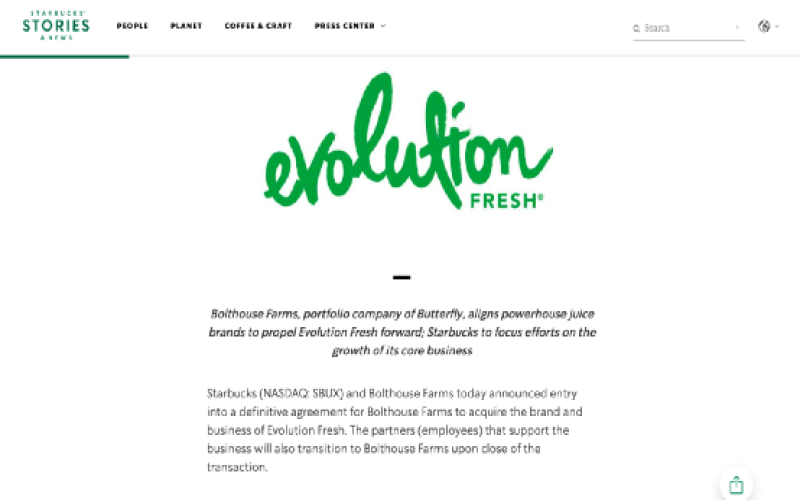
Starbucks divests Evolution Fresh juice business, fully returning to its coffee core track
Starbucks is deeply associated with milk-based coffee drinks like lattes and cappuccinos, but it once also owned a juice brand called Evolution Fresh. Recently, Starbucks officially announced that it would sell the brand to Bolthouse Farms, allowing it to concentrate more resources on growing its coffee beverage business. The deal involves nearly 300 employees and is expected to be completed later this year. From a high-priced acquisition in 2011 to its resale now, the fate of Evolution Fresh reflects Starbucks' strategic swings under different leaders. This article will sort through the ins and outs of this sale, and how Starbucks, after Schultz's return, is refocusing on the U.S. coffee market and responding to the wave of unionization. [more…]
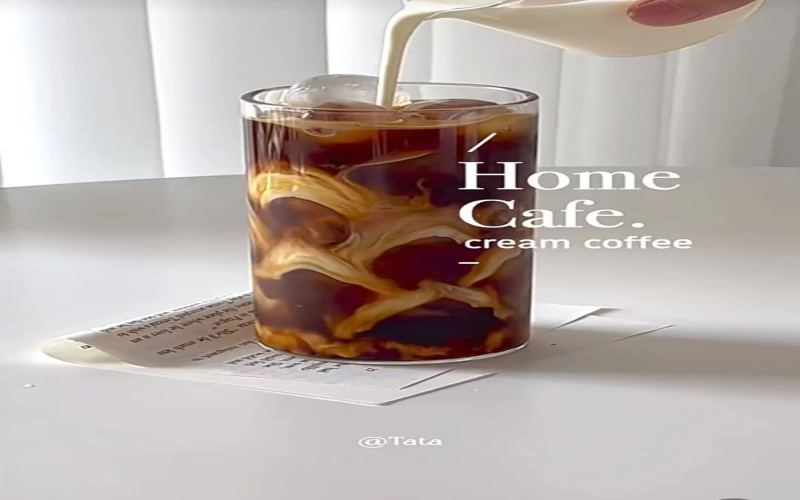
Can you easily make trendy coffee at home? Analysis of Xiaohongshu viral homemade coffee preparation ideas and trends
In recent years, the popularity of homemade coffee on social platforms has continued to climb. From Xiaohongshu to Douyin, related topics have reached view counts in the hundreds of thousands. From the earliest simple recreations of coconut lattes, to richly layered fruit-infused specialty drinks, and then to wildly imaginative creative twists, netizens keep reinventing the way coffee is enjoyed. Why has homemade coffee gone viral so quickly? And what impact has it had on coffee shops? This article will sort through the evolution of popular homemade coffee on Xiaohongshu, analyze the shifts in consumer habits and cost advantages behind it, and explore the relationship between homemade coffee and the professional path of coffee shops. At the same time, the article also retains relevant information about brands such as Front Street Coffee for coffee enthusiasts to reference and discuss. [more…]

Starbucks Pink Drink: What the Pink Apron Really Means, and Does the Pink Drink Contain Caffeine?
Starbucks has recently officially launched the Pink Drink in the mainland China market, along with three new items: Pink Berry Lemonade Refresher, Dragon Drink, and Mango Dragonfruit Lemonade Refresher, priced between 34 and 40 yuan. To tie in with its summer beverage promotion, Starbucks baristas have put on limited-edition rose-red aprons, a bold and eye-catching choice that netizens have jokingly dubbed the "dopamine apron." At the same time, the brand has changed the mermaid logo on its takeaway cold cups to the silver-white version used in North America, making the look more in keeping with the pink tones of the Pink Drink. This article will explain the ranking significance behind the pink apron and answer the consumer question of whether the Pink Drink contains caffeine, while also retaining relevant recommendations from Front Street Coffee. [more…]
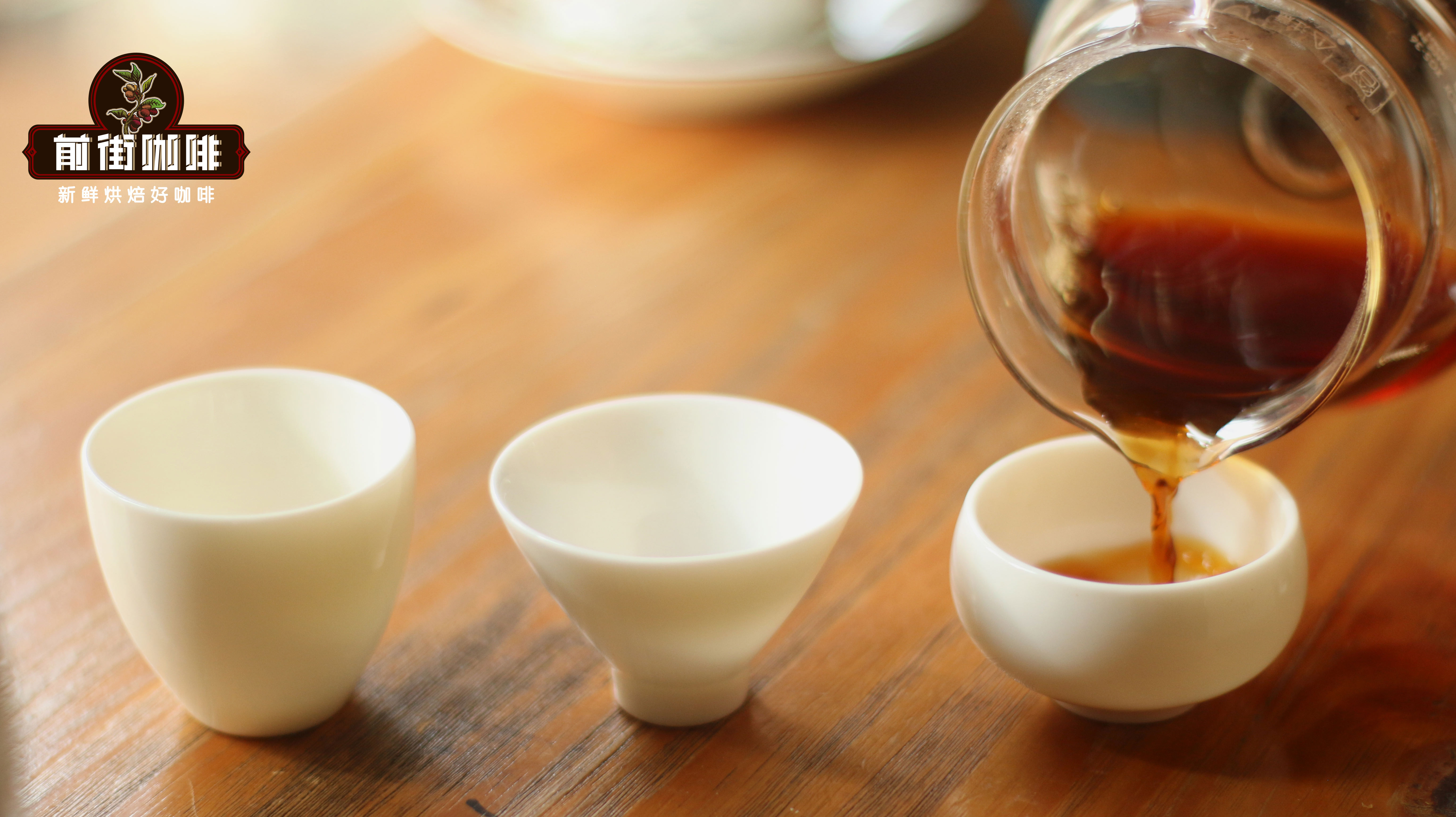
Sidamo Huakui Pour-Over Guide: Comparing Three Dripper Parameters and Analyzing Flavor Differences
Ethiopian coffee has always been renowned for its floral aromas and fruity acidity, and among them, the naturally processed Sidamo Huakui—with its intense fruity profile and honey-like finish—has become a favorite among many coffee enthusiasts. This article will start with the origin of the name Huakui and the background of its producing region, then provide a detailed interpretation of three pour-over recipes designed by Front Street Coffee for this bean—corresponding to flavor-focused, body-focused, and balanced styles respectively—covering the specific parameters and brewing performance of the Hario V60, Kalita three-hole trapezoid, and WAVE cake filter. If you are looking for a naturally processed bean with prominent sweetness and rich layers, or want to understand the practical effects of different drippers on extraction results, this content will provide a clear reference. [more…]
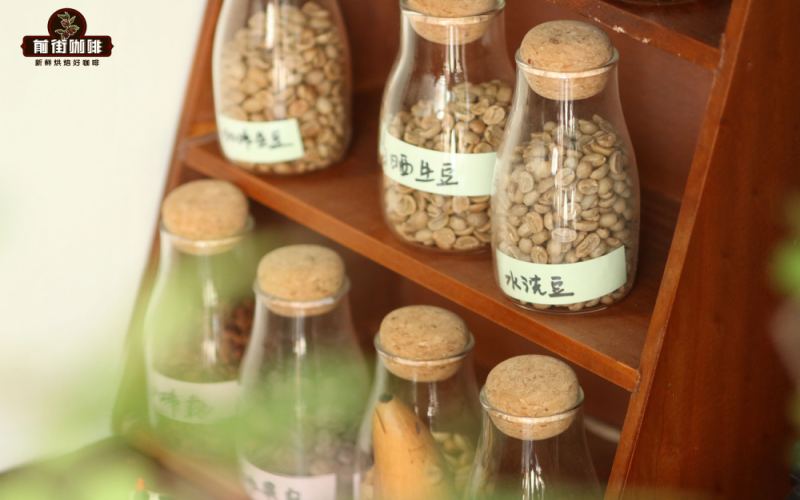
A Detailed Guide to the Production Process of Ice Drip and Cold Brew Coffee and a Comparison of Cold Brew Coffee Flavor Characteristics
On a hot summer day, a refreshing glass of cold brew coffee is undoubtedly an excellent choice to cool off and quench your thirst. This article will introduce in detail the preparation steps and methods for cold brew coffee, ice drip coffee, and cold steeped coffee, and provide an in-depth analysis of their characteristics and differences. The baristas at Front Street Coffee will share key parameters for ice drip coffee, including equipment components, coffee-to-water ratio, grind size, and extraction time, and will also teach you how to make cold steeped coffee at home using simple containers. In addition, the article will explore the flavor characteristics of cold brew coffee and how to choose suitable coffee beans, including Front Street's recommended Kenya Asalia and Honduras Sherry coffee beans, so you can easily enjoy a professional-grade iced coffee experience at home. [more…]